
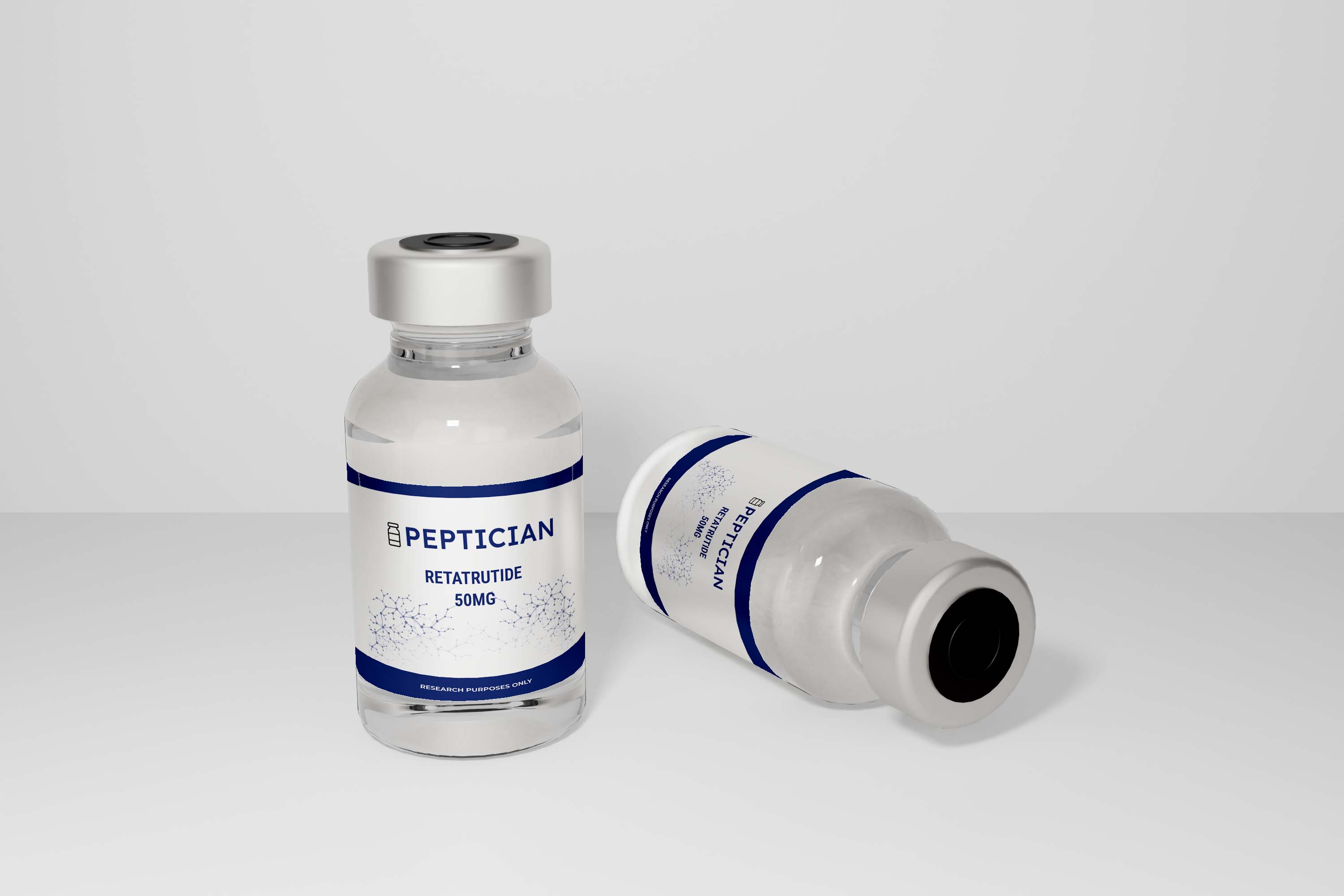
The UK research peptide market has grown considerably over the past few years, and with that growth has come a predictable problem: a substantial variation in quality, documentation, and transparency between suppliers. When all you can see online is a product page with a purity claim and a price, making a well-informed sourcing decision is harder than it should be.
This guide cuts through the noise. Here are the seven criteria that genuinely matter when evaluating a UK research peptide supplier — based on what actually affects your research outcomes, not marketing language.
1. Batch-Specific, Third-Party Certificates of Analysis
This is the single most important criterion. A Certificate of Analysis (CoA) is only meaningful if it comes from an independent, named third-party laboratory and corresponds to the specific batch in the vial you’re receiving — not a generic product-level document reused across multiple lots.
What to check:
- Is the testing laboratory named and identifiable? You should be able to verify the lab exists independently of the supplier.
- Does the batch/lot number on the CoA match your vial? If the numbers don’t match, the CoA tells you nothing about the material in your hand.
- Is HPLC purity data included alongside mass spectrometry identity confirmation? Purity alone without identity confirmation is not sufficient verification — you want both.
A supplier that provides only in-house testing, generic CoAs, or documents where the testing laboratory is unnamed or unverifiable should be approached with significant caution. Independent third-party testing removes the conflict of interest that exists when a supplier tests their own products.
2. Transparency About What “Purity” Actually Means
Purity figures can mislead if you don’t understand what’s being measured. HPLC purity tells you what proportion of the peptide material is the target compound versus synthesis-related impurities — it does not tell you what proportion of the total vial weight is active peptide.
That second figure — net peptide content — is a separate measurement. A vial can state 98.5% HPLC purity while having a net peptide content of 82% due to counter-ions, residual solvents, moisture, and excipients making up the remaining weight. For any research requiring accurate concentration calculations, this distinction is material.
Suppliers worth trusting will include net peptide content on their CoAs, or at minimum will be transparent when asked about what their purity figures actually measure.
3. Lyophilised Supply and Appropriate Cold-Chain Handling
Research peptides should be supplied in lyophilised (freeze-dried) form. Lyophilisation substantially extends stability by removing water — the primary driver of peptide degradation through hydrolysis and microbial contamination.
Suppliers shipping reconstituted solutions without specific justification for that format, or who are vague about how products are stored before dispatch, introduce unnecessary degradation risk. For longer transits — particularly international orders — you should also confirm that the supplier’s storage and dispatch practices are appropriate for the compounds being shipped.
4. A Genuine Research Focus — Not a Rebranded Supplement Shop
The research peptide space in the UK includes a spectrum of businesses, from dedicated laboratory reagent suppliers at one end to supplement retailers who’ve added a “research peptides” category at the other. The difference matters.
A genuine research-focused supplier will:
- Frame products consistently as research-use-only compounds, not wellness products
- Provide substantive, accurate scientific information — not marketing-driven health claims
- Have documentation practices that reflect institutional rather than consumer sales
- Not blur the line between “research peptide” and “supplement” language across their catalogue
The presence of a serious research library, product documentation, and honest representation of what compounds are and aren’t established to do in published science is a reasonable proxy for a supplier operating in good faith on the research side of this market.
5. Accurate and Honest Representation of the Evidence
One of the clearest markers of a credible UK peptide supplier is how honestly they represent what the science shows — and doesn’t show. This is particularly relevant for compounds like BPC-157, Epitalon, or myostatin inhibitors, where the available evidence is largely preclinical and considerably thinner than retail-facing content often implies.
Suppliers who present every compound as well-established, extensively researched, and broadly effective, without acknowledging where evidence is limited to animal models or where human trial data is absent entirely, are optimising for sales rather than accuracy. For researchers relying on this information for legitimate research planning, that distinction is consequential.
6. Clear Legal and Compliance Positioning
UK research peptides occupy a specific regulatory position — they are not controlled substances under the Misuse of Drugs Act 1971, and they are not licensed medicines, but that doesn’t mean anything goes. A supplier that takes compliance seriously will:
- Clearly label all products as “Research Use Only — Not for Human Consumption”
- Not imply, suggest, or facilitate human administration in any of their product or content language
- Be transparent about relevant regulatory context for specific compounds where it applies
- Operate with documented terms of sale that establish the research-only nature of the transaction
7. Practical Support for Researchers
Finally, the best suppliers make the research process easier, not harder. This means:
- Accessible, accurate documentation — CoAs available per batch without having to ask
- Practical guidance — reconstitution protocols, storage guidance, concentration calculators, and CoA interpretation resources that save time and reduce handling error
- Responsive communication — a real contact point for questions about products, documentation, or orders
The presence of a serious, accurate research library is a genuine differentiator in this market. If a supplier has invested in providing accurate scientific context for their products, it’s generally a sign that they take the research side of what they do seriously.
A Note on Price
Price is a reasonable consideration but a poor primary filter. Research peptides with properly independent batch testing, appropriate lyophilised supply, and accurate documentation cost more to produce than products without these features. A notably lower price relative to comparable products from credible suppliers is usually explained by lower testing standards, less documentation, or less rigorous manufacturing — not unusual efficiency.
The Bottom Line
Evaluating a UK research peptide supplier comes down to a few non-negotiable requirements — independent, batch-specific CoA documentation with named testing laboratories, honest representation of purity figures including net peptide content, and consistent research-use-only framing — alongside a set of softer but meaningful indicators around evidence quality, compliance positioning, and practical research support.
Peptician provides independently verified, batch-specific Certificates of Analysis with every product, supplied alongside one of the UK’s most comprehensive freely accessible peptide research libraries. Browse our catalogue or explore our Research Library to get started.
All products sold by Peptician are intended strictly for in vitro laboratory and research use only. They are not intended for human or animal administration.