



Melatonin (N-acetyl-5-methoxytryptamine) is an endogenous indoleamine hormone primarily synthesised and secreted by the pineal gland in response to darkness. As a well-characterised research compound, melatonin has been extensively studied across numerous biological disciplines owing to its pleiotropic physiological roles.
Melatonin exerts its primary effects through high-affinity binding to MT1 and MT2 melatonin receptors, which are G-protein-coupled receptors expressed throughout the central nervous system and peripheral tissues. This receptor-mediated signalling underpins its well-documented role in the entrainment of circadian rhythms and the regulation of the sleep-wake cycle. Beyond receptor signalling, melatonin functions as a potent direct free radical scavenger and indirect antioxidant, stimulating the expression of key antioxidative enzymes including superoxide dismutase and glutathione peroxidase.
Current research areas include neuroprotection and neurodegeneration models, oncostatic and immunomodulatory activity, mitochondrial function and oxidative stress, reproductive biology, and metabolic regulation. Melatonin has also attracted considerable interest in ageing research due to its declining endogenous production with advancing age.
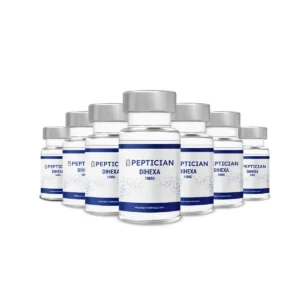
Supplied as a high-purity powder, each unit contains 10mg of melatonin. Molecular formula: C₁₃H₁₆N₂O₂. Molecular weight: 232.28 g/mol. Purity: >98%. CAS number: 73-31-4. Store at –20°C, protected from light and moisture.
Molecular Formula
C₁₃H₁₆N₂O₂
Molecular Weight
232.28 g/mol
Purity
>98%
CAS Number
73-31-4
Form
Powder
Research Applications
Circadian rhythm and sleep research, Neuroprotection and neurodegeneration, Antioxidant and free radical biology, Oncostatic and immunomodulatory research, Mitochondrial function and oxidative stress, Reproductive and endocrine biology
For research purposes only. Not for human use.



Reviews
There are no reviews yet.